User Testing
Watch and listen to customers use your design, and get guidance and recommendations you can rely on from the world’s leading user research firm.

Types of Usability Testing Research
Nielsen Norman Group researchers are experts in many different types of usability research. We’ll help you determine which type of study is best for your circumstances, plan the study details, carry out the research, and prepare rich analysis of the findings to ensure you have actionable, prioritized results.
Rapid User Testing
Rapid User Testing
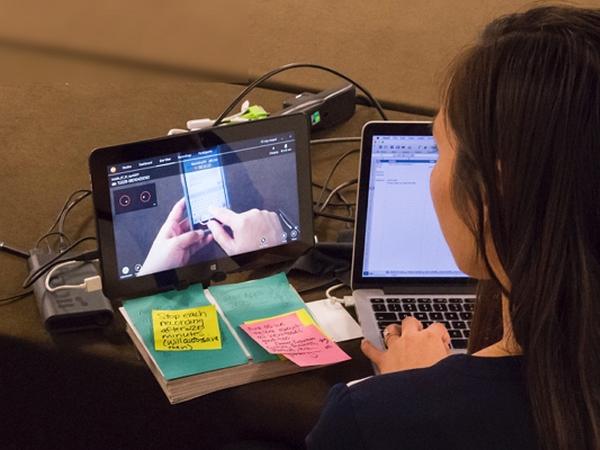
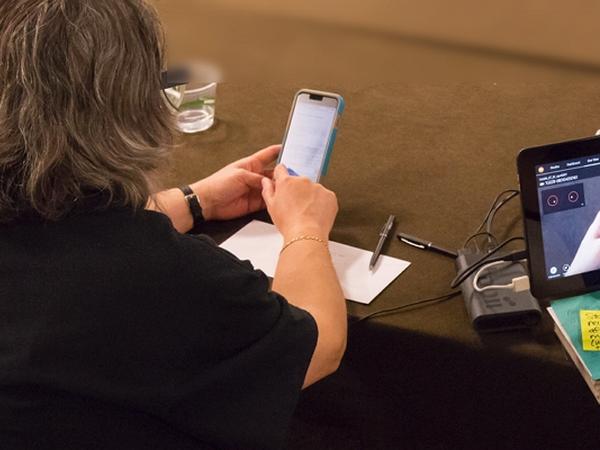
Direct feedback from users via a flexible ‘think out loud’ behavioral study is the best way to gather rich insights into complex problems, identify root causes, and suggest potential solutions. Watch users interact with your design, hear them explain their thought processes and expectations, and get the “why” answers that can help drive your design process forward. Highly experienced researchers ensure you receive valid, unbiased feedback - either in-person, or via remote observation. Starts at $40,000 USD.
NN/g user studies typically include:
- 5 to 10 users
- 3 days of testing
- Expert moderation by an NN/g researcher
- Your team can observe the user sessions, and discuss findings with the NN/g researcher
- Detailed report with in-depth analysis and prioritized design recommendations
- Presentation and discussion of the findings with your team after the study
More Types of User Testing
More Types of User Testing
We can also conduct user tests to compare your product’s interface to your competitors, or rigorously measure user success and satisfaction to create performance benchmarks.

Competitive User Testing
Understand how your product stacks up against your competitors with a direct side-by-side comparison study. Competitive studies collect qualitative feedback, quantitative measures, or both - it all depends on your strategic goals. Because this type of study involves evaluating multiple different interfaces, expect the time and cost to increase depending on the number of competitors included in the study. Starts at $60,000 USD.

Quantitative User Testing
Rigorously designed research studies collect metrics about users’ success, satisfaction, and efficiency when interacting with your design. Metrics about user behavior provide a reliable basis for data-driven design decisions. Starts at $70,000 USD.
NN/g quantitative studies typically include approximately:
- 20 to 200 users
- 1 to 4 weeks of testing
- Unmoderated, remote sessions including national or global user populations that match your target audience
- Detailed findings report with in-depth analysis and prioritized design recommendations
- Presentation and discussion of the findings with your team after the study
Contact us to learn more about User Testing:
Frequently Asked Questions
Frequently Asked Questions
Why Nielsen Norman Group?
- NN/G brings decades of experience conducting and interpreting usability research. We design sound studies, analyze results rigorously, and help teams translate findings into practical next steps.
What can we test?
- Desktop and/or mobile websites, applications, prototypes, and voice interfaces can all be usability tested. We can also conduct iterative testing on revised prototypes as you implement design improvements.
What type of test should we do, qualitative or quantitative?
- Qualitative testing is the best starting point to identify usability issues and improvement opportunities. Quantitative studies are appropriate when you need specific numbers (benchmarks) to measure the impact of design changes over time.
Should we do in-person or remote user testing?
- Both are available. Remote moderated studies work well for distributed or hard-to-reach audiences. In-person studies support team observation and debrief after sessions.
How long will usability testing take?
- NN/G consultants will develop a detailed timeline with you that's specific to your project and goals. Timelines include milestones from kickoff to final deliverables, including planning, research, analysis, and reporting.
What will it cost?
-
Simple studies (one design/device-type, 5-8 users) typically start around $40,000 USD.
-
More complex studies (multiple audiences or designs) usually range from $80,000–$150,000 USD.
What access and deliverables will we get?
- Observation access: Your team can observe sessions remotely. NN/G's consultants will coordinate these logistics with you.
- Findings and recommendations report: Reports summarize themes, insights, and actionable recommendations for design and content improvements, supported by anonymized user quotes and selected session clips. NN/G consultants also lead a findings presentation to review and discuss the most important results and recommendations with your team.